

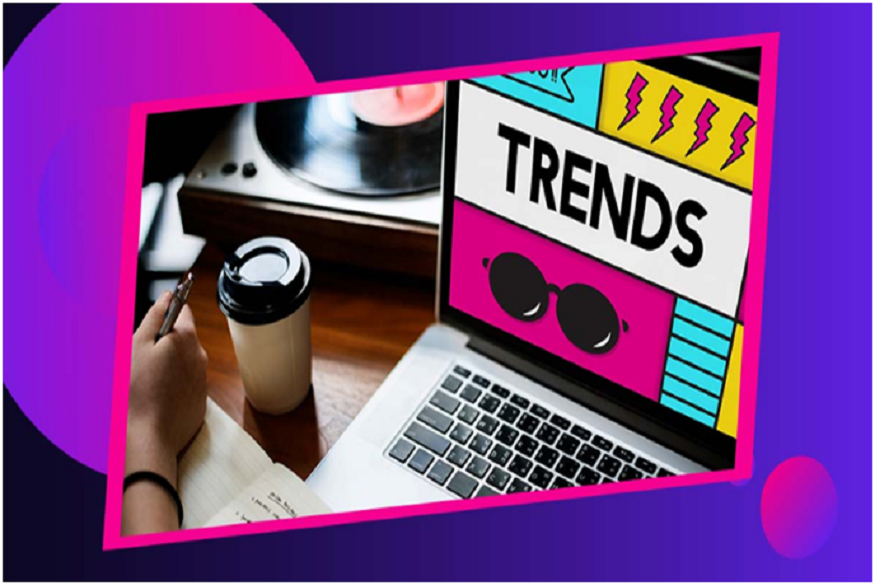
Social media has completely transformed the way people consume visual content. A few years ago, graphic design mainly focused on print advertisements, banners, magazines, and websites. Today, platforms like Instagram, Facebook, LinkedIn, Pinterest, and YouTube have changed design expectations dramatically. Businesses now need visually engaging content that grabs attention instantly while scrolling through endless feeds. This shift has pushed graphic designers to become more creative, adaptable, and trend-conscious than ever before.
The rise of short-form content and mobile-first audiences has also influenced how designs are created. Modern graphics are now expected to communicate messages within seconds. Many aspiring designers who join FITA Academy quickly realize that understanding social media behavior is equally as important as learning design software. Brands are competing for visibility every day, and graphic designers play a major role in helping businesses stand out through compelling visuals, animations, and digital storytelling.
The Rise of Mobile-First Graphic Design
One of the biggest changes social media introduced is mobile-first design. Earlier, designers focused heavily on desktop layouts and large-screen experiences. Now, most users access social media platforms through smartphones, which means designs must be optimized for smaller screens.
This shift has encouraged designers to create cleaner layouts, larger typography, and visually impactful elements that are easy to understand on mobile devices. Minimalism became more popular because cluttered graphics often fail to capture attention on smaller displays. Bright colors, bold fonts, and concise messaging are now widely used across social media campaigns.
Graphic designers today must understand platform dimensions, responsive design principles, and audience behavior. Every platform has its own style and design format, making adaptability a valuable skill for professionals in the creative industry.
Faster Trends and Shorter Design Lifecycles
Social media trends evolve at an incredible speed. A design style that becomes popular this month might disappear within weeks. This constant change has transformed graphic design into a fast-moving industry where staying updated is essential.
Designers now follow viral trends, meme culture, typography styles, animation patterns, and influencer branding strategies closely. Businesses expect designers to create content that feels current and relatable to online audiences. As a result, graphic design trends have become more experimental and dynamic.
Read More: Practical Strategies for Solving a Biology Assignment
Short-form videos, animated graphics, and interactive content have become highly influential because social media algorithms favor engaging visuals. This demand has pushed designers to learn motion graphics and video editing skills alongside traditional design techniques.
Students pursuing Graphic Design Courses in Chennai often explore social media branding projects because businesses increasingly prioritize digital marketing visuals over traditional advertising materials. The growing influence of social platforms has created exciting opportunities for creative professionals who understand modern digital trends.
The Impact of Visual Storytelling
Social media users connect more with stories than plain promotional content. Because of this, graphic design has evolved beyond aesthetics and moved toward storytelling-driven visuals. Designers now focus on creating emotional connections through graphics, colors, typography, and layouts.
Instagram carousels, reels, and Pinterest graphics often tell stories in visually engaging ways. Instead of displaying static advertisements, brands create relatable experiences that encourage interaction and sharing. Emotional storytelling has become a powerful marketing strategy because audiences prefer authentic and human-centered content.
Graphic designers are now expected to understand branding psychology, audience engagement, and communication strategies. Successful designs are not just attractive; they communicate ideas clearly and create memorable experiences for viewers.
The Influence of Influencer Culture on Design
Influencer marketing has also changed graphic design trends significantly. Social media influencers often establish unique visual identities that brands attempt to replicate or collaborate with. This has created demand for highly personalized and visually consistent branding styles.
Aesthetic feeds, custom templates, pastel palettes, bold gradients, and handwritten typography became popular because influencers made them visually appealing to followers. Social media users now recognize branding through visual consistency alone.
Designers are increasingly creating templates for Instagram stories, YouTube thumbnails, LinkedIn posts, and social media advertisements. This trend has expanded the scope of graphic design into personal branding and content creation.
Modern designers need creativity combined with marketing awareness. Understanding audience preferences has become just as important as mastering tools like Photoshop, Illustrator, or Canva.
The Popularity of Motion Graphics and Animation
Static images are no longer enough to maintain engagement on social media. Motion graphics and animation have become central to modern design trends because animated visuals attract more attention and improve audience interaction.
Short animated logos, GIFs, transitions, reels, and motion typography are now widely used across social media campaigns. Platforms like TikTok and Instagram Reels have accelerated the demand for animated content that communicates messages quickly and creatively.
Graphic designers are learning animation principles to stay competitive in the digital industry. Businesses prefer motion-based content because it increases engagement rates and improves brand visibility online.
User-Generated Content and Authentic Design
Social media audiences prefer authenticity over overly polished advertisements. Because of this, graphic design trends have shifted toward natural, relatable, and user-focused content. Brands are moving away from traditional corporate designs and embracing more human-centered visuals.
Hand-drawn elements, candid photography, imperfect layouts, and conversational typography have become increasingly popular. Social media encourages direct communication, so brands now create visuals that feel approachable rather than overly formal.
User-generated content has also influenced design styles. Companies often redesign their campaigns based on customer engagement patterns, comments, and audience feedback. Designers now create content that encourages participation, interaction, and community involvement.
This trend has made graphic design more flexible and emotionally driven. Instead of following rigid rules, designers experiment with styles that resonate with online audiences.
The Importance of Personal Branding in Graphic Design
Social media has given graphic designers the ability to build personal brands independently. Platforms like Behance, Instagram, and LinkedIn allow designers to showcase portfolios, attract clients, and establish professional credibility.
Earlier, designers mainly relied on agencies or companies for exposure. Today, freelance designers can grow their careers directly through social media platforms. This has increased competition while also creating more opportunities for creative professionals worldwide.
Designers now focus on creating unique visual identities for themselves. Portfolio presentation, content consistency, and online engagement all contribute to professional success in the creative field.
Read More: Which Data Research Assignments utilize What Data Collection Methods?
Social media has transformed graphic design into both a technical and personal branding profession where creativity and visibility work together.
Conclusion
Social media has completely reshaped graphic design trends by introducing faster content consumption, mobile-first experiences, visual storytelling, and motion-based communication. Modern graphic designers are no longer limited to creating static visuals for print media. Instead, they work on interactive, engaging, and emotionally driven designs tailored for digital audiences.